Raquel Castedo writes about publication design, the materiality of books, and the history of Latin American graphic design. Her writing moves between practice and research, drawing on over two decades of designing publications and a PhD focused on editorial design and the book as a cultural object.
Subscribe to Holding Meaning, her monthly newsletter about publication design and material thinking. Issues are published first on Substack and arrive in your inbox before they appear here.
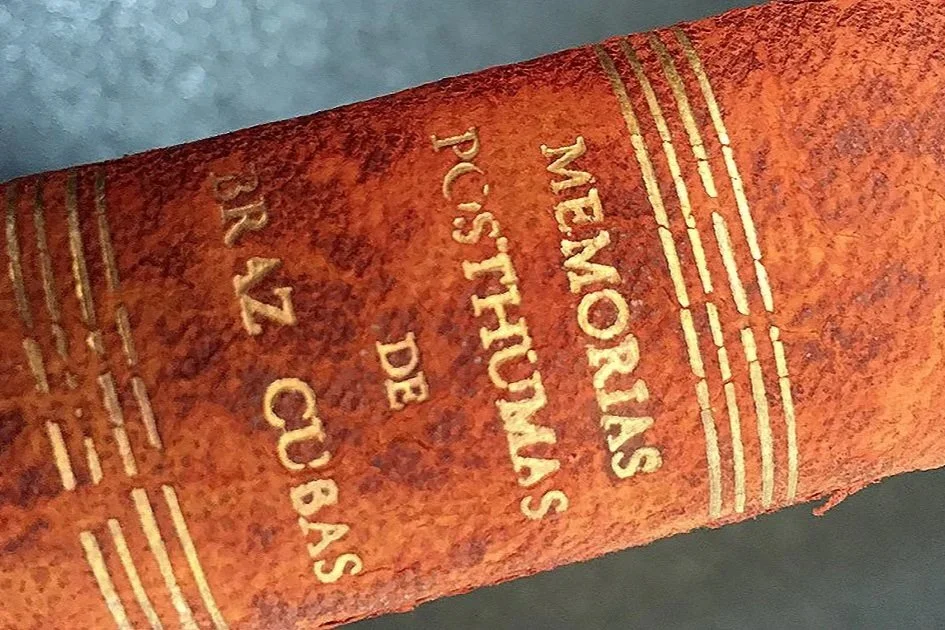
Memórias Póstumas de Brás Cubas (The Posthumous Memoirs of Brás Cubas) was published in 1881 by Machado de Assis, one of Brazil’s most important writers. Its narrator is dead: Brás Cubas tells the story of his life from beyond the grave, addressing the reader directly and breaking the rules of the novel along the way. What felt radical then still feels strange and modern now, which may be part of why the book has never stopped being read.
One of the copies of the first edition lives in the rare books section of the Biblioteca Nacional in Rio de Janeiro. It cannot be pulled from a shelf. It has to be requested, and the first time I asked to see it, in March 2015, during a research visit in the middle of my doctoral work, a librarian brought me the gloves I would need before I was allowed to touch it.
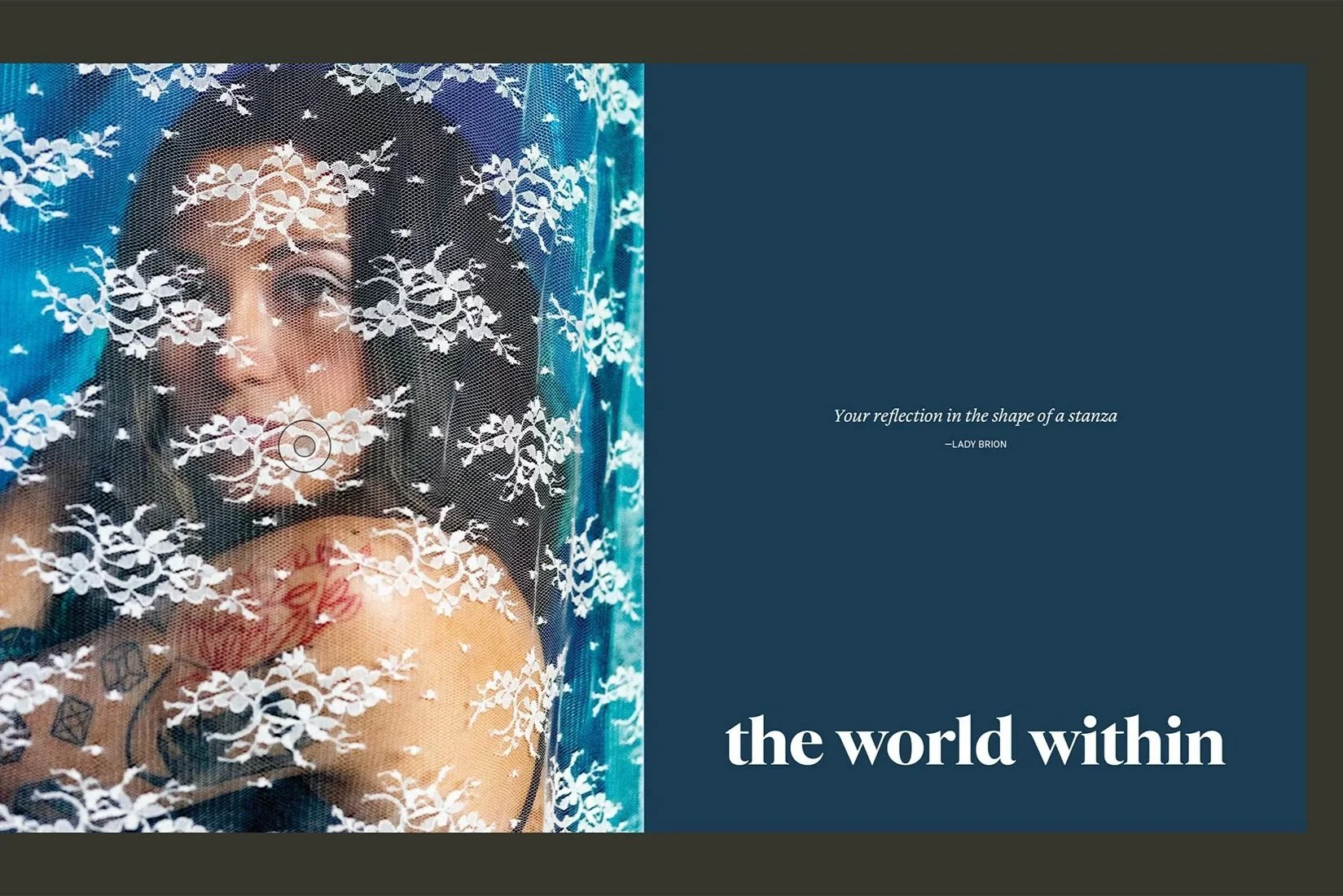
I am doing the final layout review of In Light and Verse listening to Tchaikovsky’s Nutcracker pas de deux. A final layout review is one of the few moments when a designer experiences the whole book at once, and it is the last threshold before the book becomes a physical object. It is the last moment when decisions can still be questioned. During this kind of review I always work with instrumental music because it occupies the part of my brain that would otherwise drift, keeping me present for both the technical detail and the whole.
There comes a moment when the book stops feeling like a collection of files and starts behaving like a single object. Today I am moving through the opening spreads of each chapter, a full-bleed photograph paired with a single line of poetry that names what the chapter is about to become: The World Within, Fracture, Wilderness, Longing, Convergence.
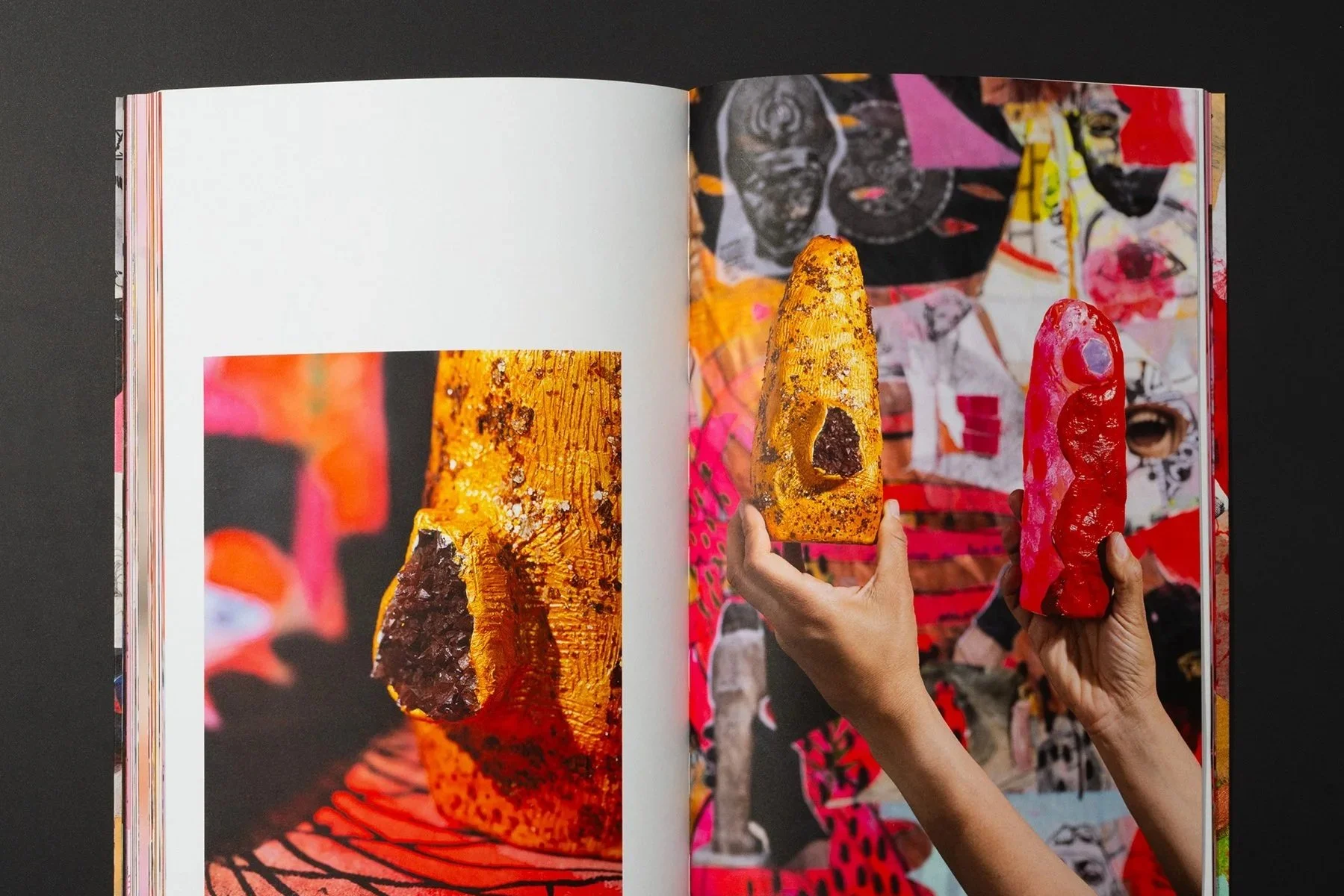
Walking into Jackie Milad’s studio, I felt something close to luck. The collage tapestries covered the walls, large-scale works layered with Egyptian iconography, personal drawings, and that particular vibrant pink that runs through Jackie’s practice like a signature. Sixty handmade shabti sculptures, inspired by ancient Egyptian funerary figures, were arranged around the room, each one distinct. Vivian Doering, the photographer, was already set up and moving.
What struck me immediately was something Jackie describes in her own words: the shabtis seem to have walked right off the collage tapestries. In the studio, surrounded by both, I could feel that relationship. The small figures and the large surfaces were in conversation, already becoming the book.
My son Benjamin is sixteen months old. He has a small collection of cardboard books, and watching him with them has taught me something familiar that I hadn’t named in a long time.
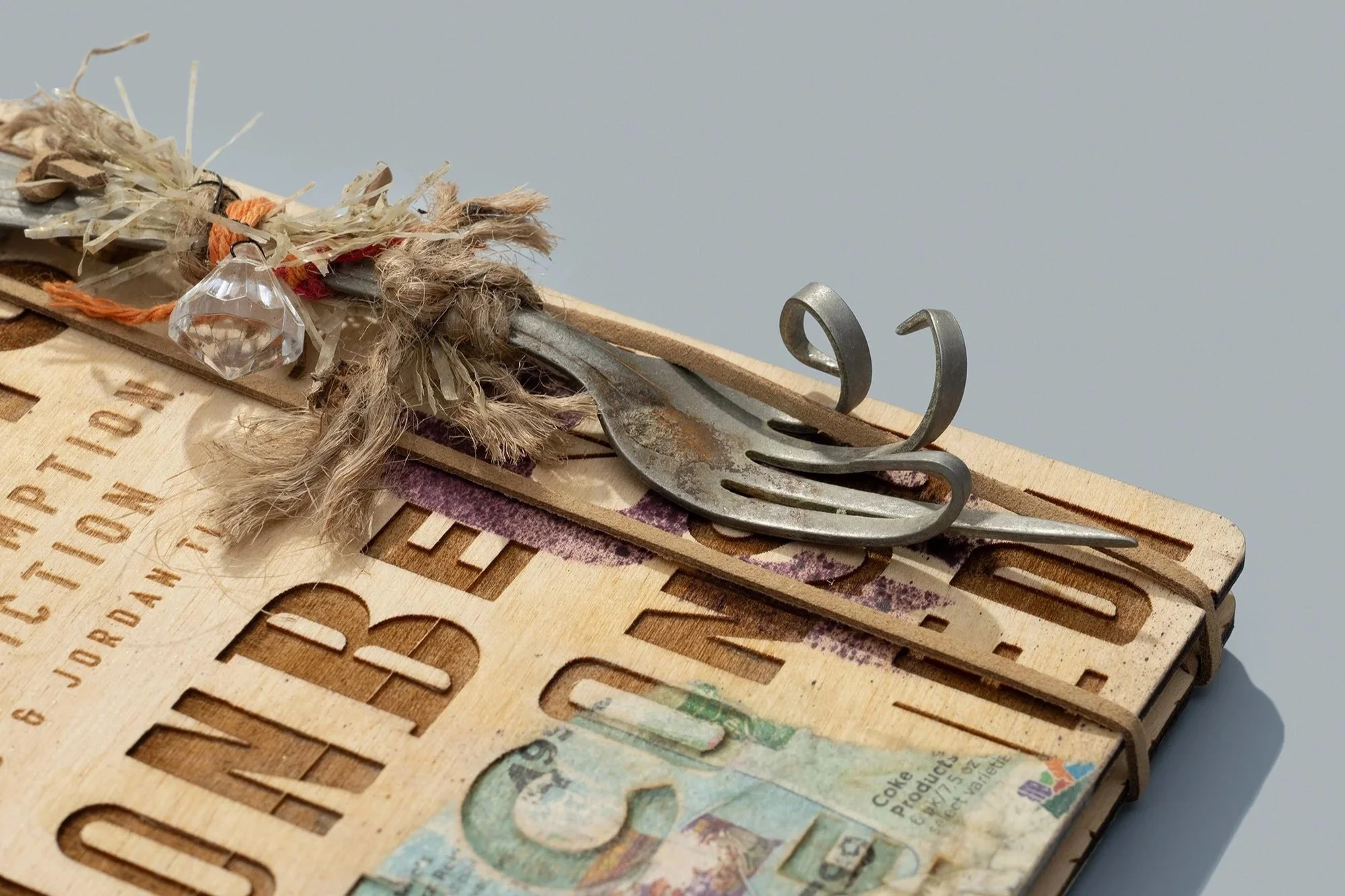
He tests the pages, folding the hard corners and bending the covers to find their limits. He chews on them, holds them upside down with complete confidence. When my husband and I read to him and do the voices, he lights up for the words and the pictures. But on his own, what interests him most is what the book allows him to do, how it resists and yields, how it opens and closes, what it weighs in his hands. He is, at sixteen months, a devoted student of materiality.
I find this thrilling, because it is one of my favorite things in the world too.